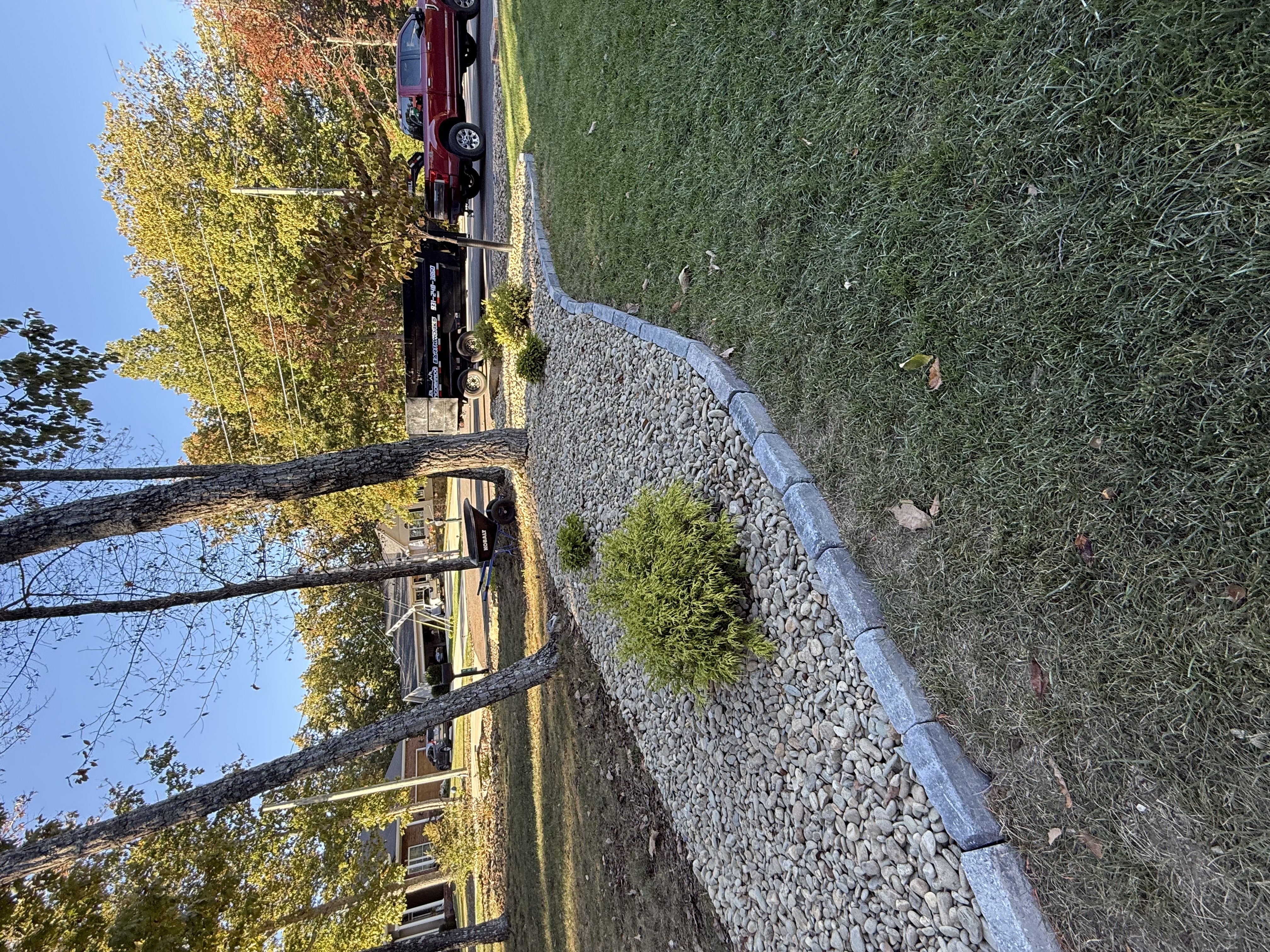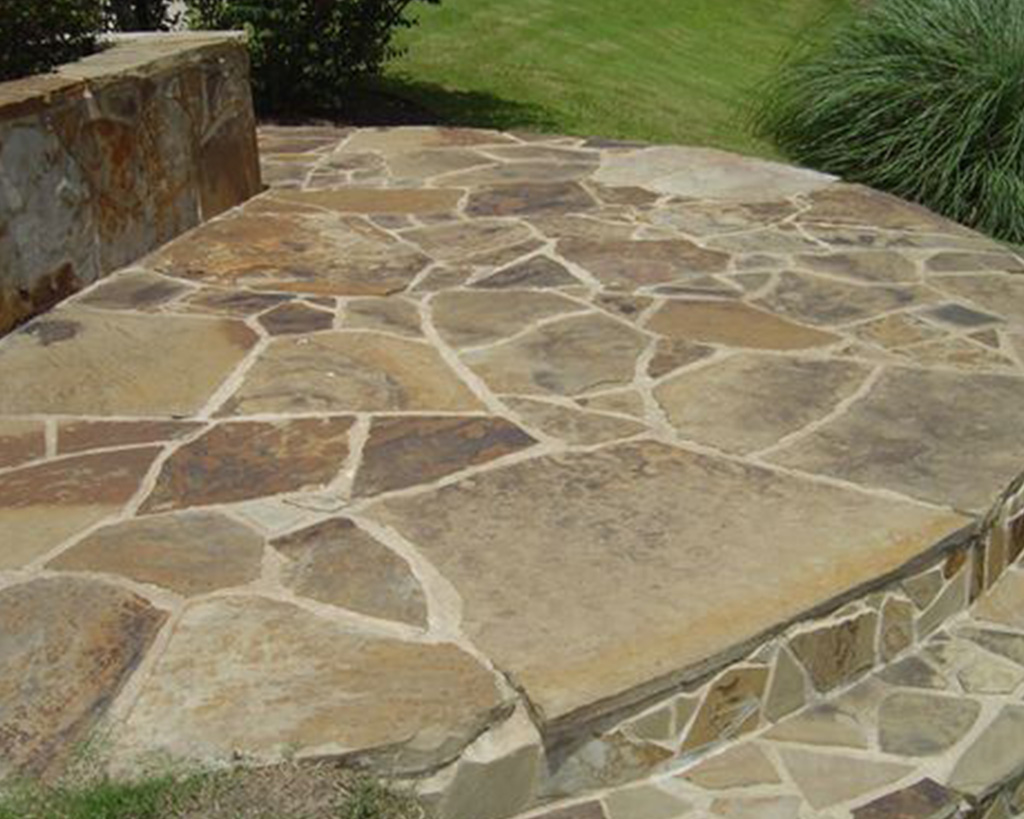
Topographic Survey
Existing conditions measured and drawn before design begins.
Grading & Resloping
Heavy earthwork — survey, cut and fill, drainage routing, and final fine-grade — to fix the slope problems that cause every other issue downstream.
Overview
Pooled water on a patio, a wet basement, a slope that erodes after every storm — these are almost always grading problems, not drainage problems. We fix the cause: re-establish positive slope away from foundations, route runoff to an actual destination, and rebuild the topography to handle the storms your area actually gets.
No grading work begins without a survey. We measure existing conditions and design to spec.
French drains, catch basins, and dry wells designed to handle storm volume with calculations to back it up.
Drawings and calculations prepared for any municipality that requires permits for grading work.
Existing conditions measured and drawn before design begins.
Earthwork volumes calculated to balance the site or minimize import / export.
French drains, catch basins, dry wells, and roof leader tie-ins sized to storm volume.
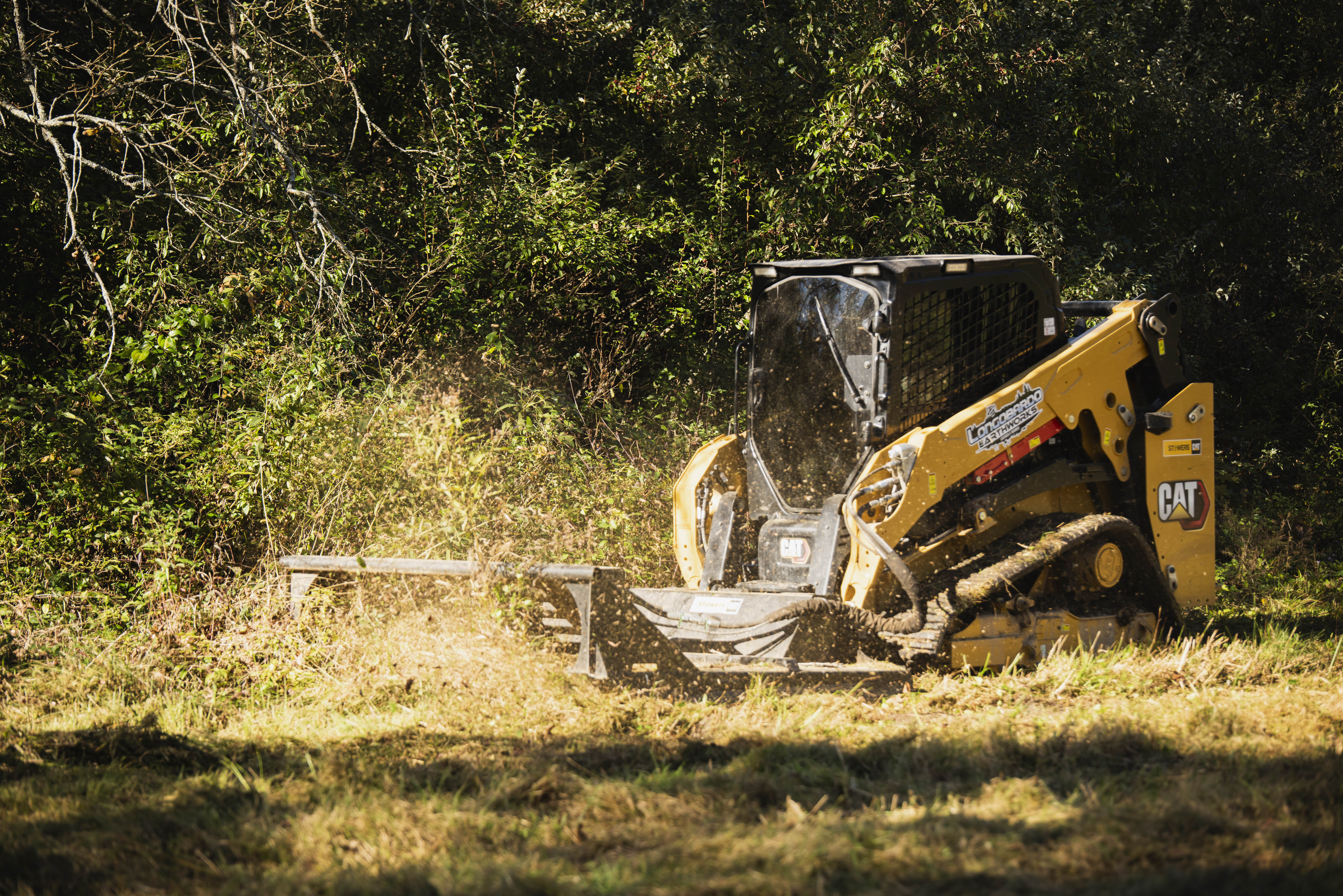
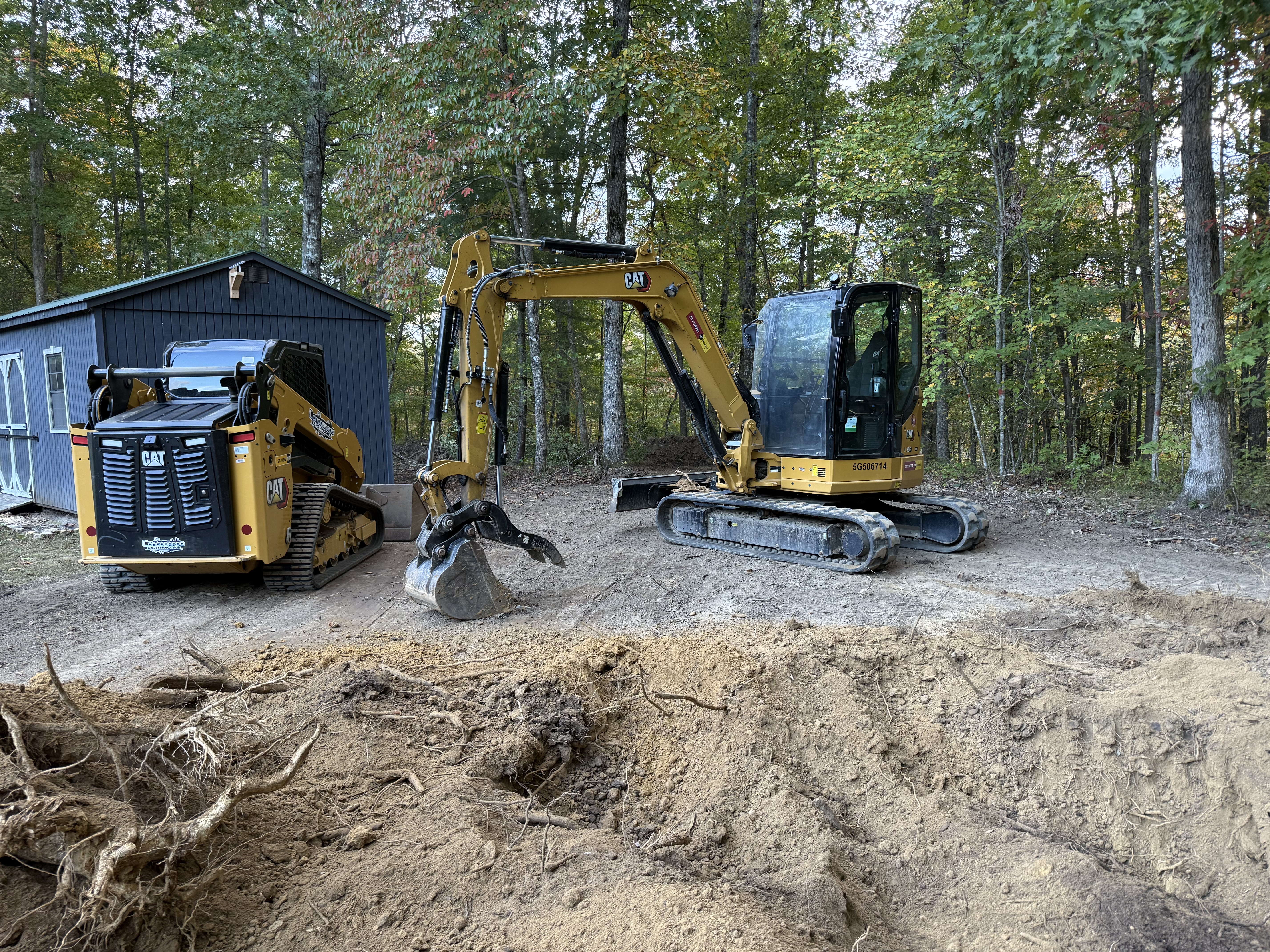
Skid steers, excavators, and laser-grade systems for precision earthwork.
Engineered fills compacted in lifts with density verification before next phase.
Silt fence, straw wattles, and stabilization measures during and after the work.
Our Approach
Topographic survey, drainage observation during storm event if possible, root cause analysis.
Cut/fill calculations, drainage routing, and pitch design — sealed by a civil engineer when required.
Permits pulled where required, neighbors notified, dig-line marked, equipment scheduled.
Cut, fill, drainage installation, compaction, and laser fine-grade.
Erosion control measures installed; site prepared for landscape or hardscape phase.
Common Questions
In most cases, yes — provided the cause is exterior grading, not foundation cracks. We diagnose the root cause first; if it’s waterproofing, we’ll tell you.
Depends on volume and your municipality. Anything moving more than 50 cubic yards typically requires a permit; major work near wetlands or steep slopes always does. We pull all required permits as part of the project.
Most residential grading projects run 3–6 weeks on site. The yard is unusable during work but can be restored to lawn within 4–6 weeks of finish.
Yes — and often should. Grading and drainage are best installed before any landscape or hardscape work, so the system performs from day one.
A senior lead will walk the property, observe the trouble area, and propose an engineered fix.